
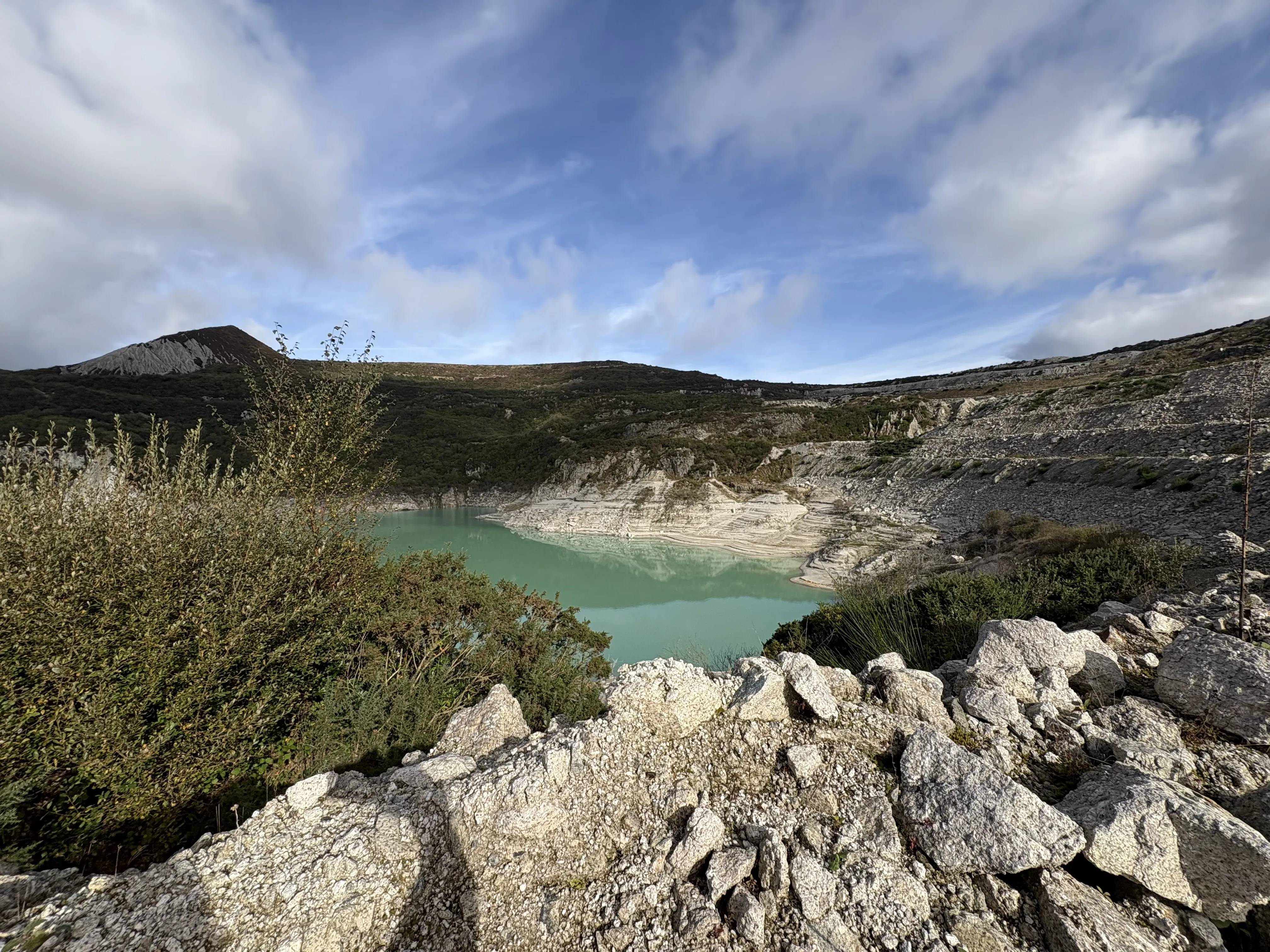
Environmental impact
Preserving the environment and biodiversity is our priority, we are committed to reducing our environmental impact where possible by maintaining environmental objectives, restoring previously mined land and considering environmental impacts during the design of the project.
Mine closure planning at the early stages of project life cycle will enable restoration concepts to be developed, which can be evolved throughout the operational period.
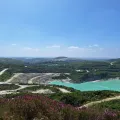
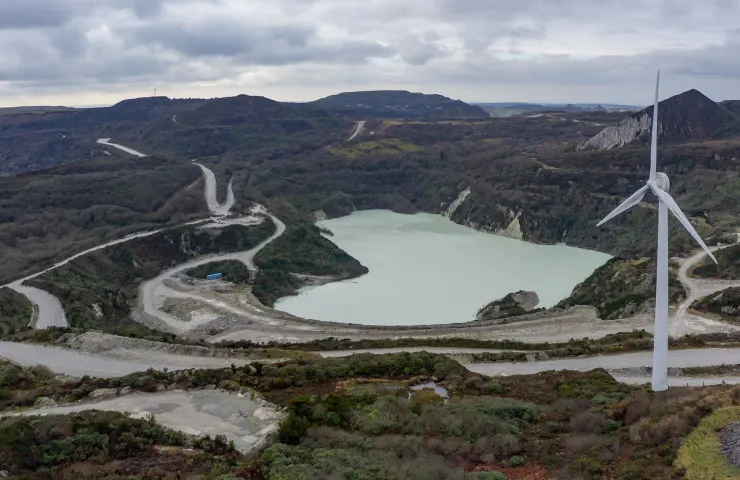
Development and operation of our project will have a number of direct impacts on the current environment as areas are disturbed and new landforms created. Fortunately, we have the opportunity to integrate into the existing mining landscape by use previously disturbed areas.
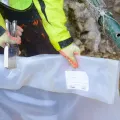
Initial studies have been carried out within the project location and will continue to be conducted over the next few years. Gathered information from these baseline studies will be used to inform future environmental impact studies relating to issues such as air, water, soil, noise, natural environments, landscape, cultural heritage, energy, health effects, tailings and residue management, post-mining management and so on.
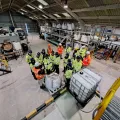
All studies, will be carried out by independent experts and will serve as a basis for applying for the various permissions, permits and consents that the project will have to obtain before we start.
Project Design Principles – Biodiversity
Each identified direct project impact will be subject to the following principles:
Avoid, Reduce, Compensate
- Avoid any impacts or disturbance on species and natural processes, particularity in designated sensitive areas
- Minimise negative impacts on biodiversity that could not be avoided in design or operations of extractive sites
- Restore affected areas, and allow biodiversity and ecosystems to regenerate
- Offset any residual impacts by working to achieve Biodiversity Net Gain
Our project will need to prove a net gain in biodiversity (i.e. the delivery of the project will mean a net positive impact on the variety and variability of plants/animal species in the near vicinity of the sites).
We will deliver at least a 10 percent increase in biodiversity value compared to the pre-development state, either by enhancing existing habitats on-site or creating new ones off-site. This gain will be maintained for at least 30 years.
Working with scientific partners
Imerys works closely with recognised scientific partners in the field of biodiversity with the restoration of historic mining areas creation of lowland heathland, rare and threaten habitat and planting of woodlands areas. We will continue this approach.
Your Questions about environmental impact
How will the project ensure a net gain in biodiversity during the planning process?
We will deliver at least a 10% increase in biodiversity value compared to the pre-development state, either by enhancing existing habitats on-site or creating new ones off-site. This gain will be maintained for at least 30 years.