
Lithium: a key resource for the energy transition
Lithium, widely used in the manufacture of batteries, particularly for the automotive industry, has become an essential and strategic raw material for meeting the challenge of the energy transition.
Lithium? What’s that?
Lithium is a very light alkali metal. In nature, it is found only:
- In the form of brine in salars, large, partially dried-up salt lakes
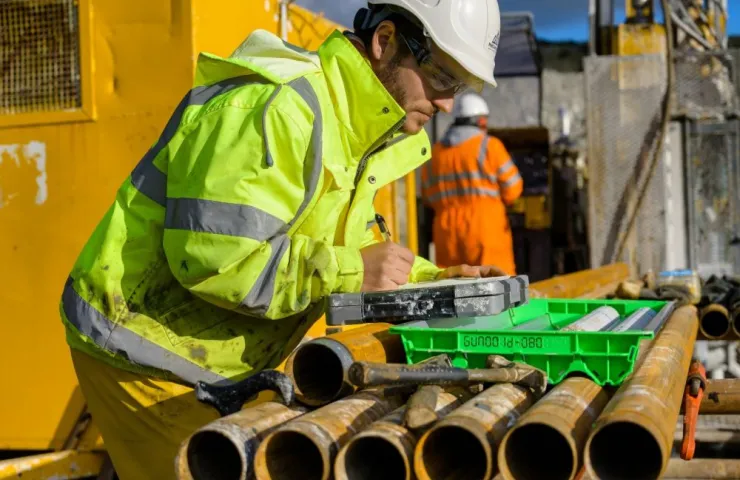
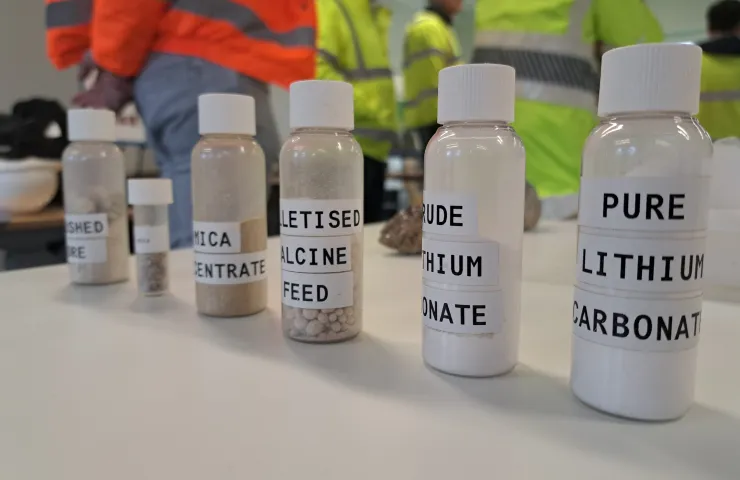
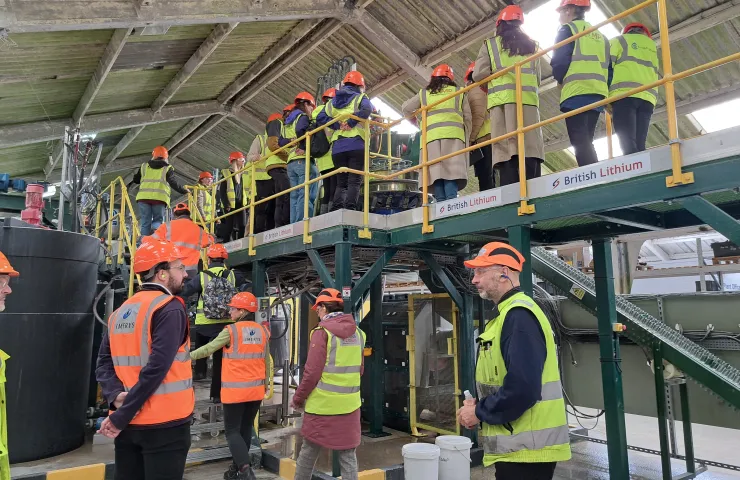
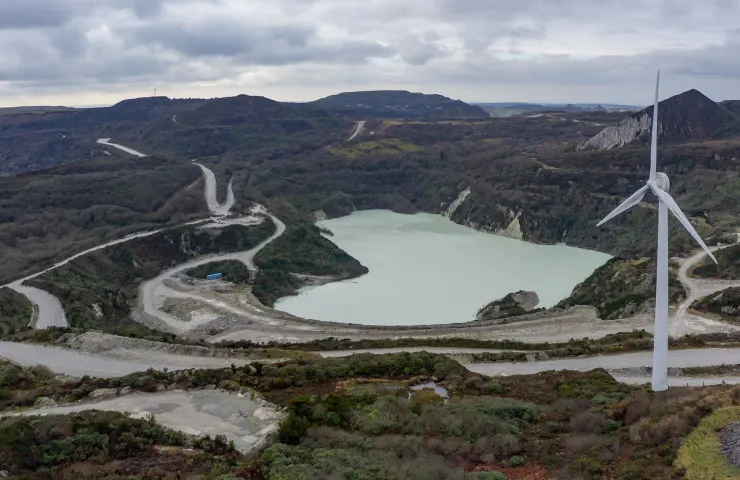
- In clay or hard rock such as pegmatite, or granite as is the case at the Imerys British Lithium site
Lithium is an essential metal for the construction of electric vehicle batteries. It is the lightest solid metal, has a low melting point (temperature at which a substance changes from a solid to a liquid state) of 180°C, and high thermal conductivity.
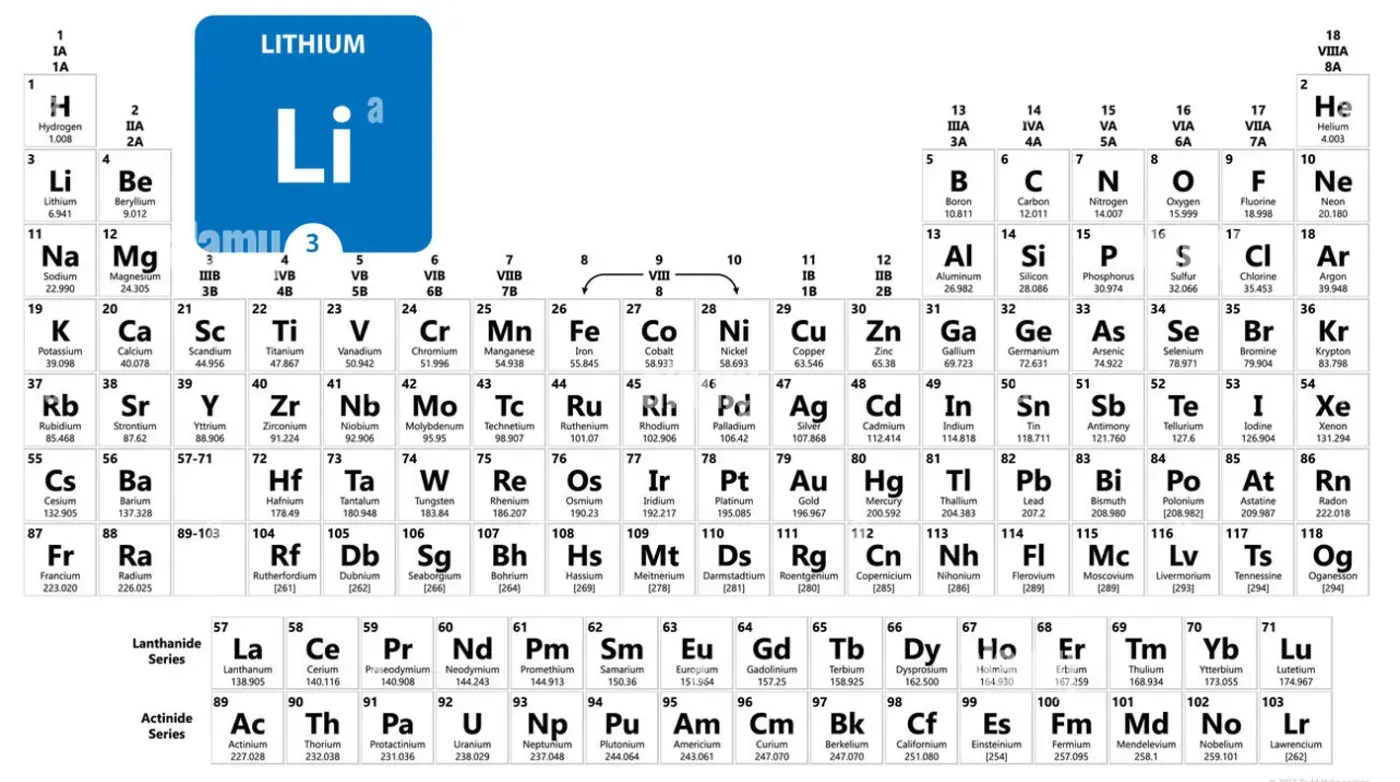
Lithium is a very light alkaline metal
Unrivalled performance
These batteries offer a number of benefits:
- fast charging
- longer lifespan than other types of battery
- higher energy density, lighter batteries and longer battery life
Lithium in numbers
Transport
Percentage of carbon emissions in the UK coming from transport
Greenhouse gases
Greenhouse gas emissions from electric cars compared to thermal cars
New cars
Percentage of new electric cars sold in the UK since the beginning of 2024